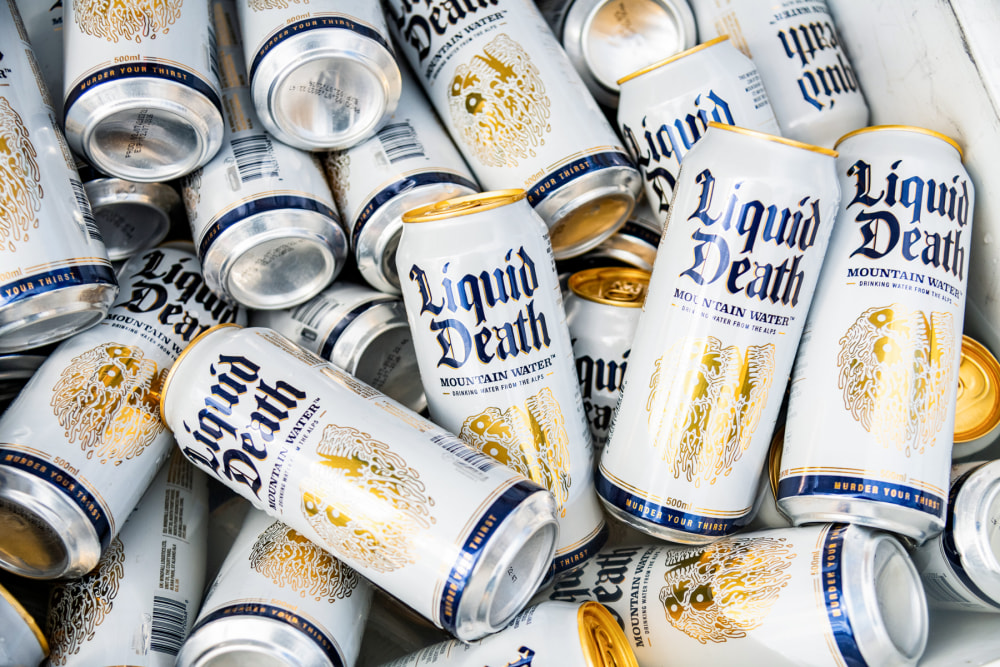
In a market dominated by serene imagery of mountain springs and untouched glaciers, Liquid Death storms in like a headbanger at a yoga retreat. It’s not just water; it’s a statement. With bold branding, unorthodox marketing, and a rebellious ethos, Liquid Death has turned a basic product into a billion-dollar cultural movement.
Here’s how a can of water became the punk rock star of beverages—and what it teaches us about marketing, perception, and breaking the mould.
From a Gag to a Game-Changer
Liquid Death wasn’t born from a boardroom brainstorm but from a wild idea: what if water was marketed like beer? CEO Mike Cessario, inspired by heavy metal aesthetics and irreverent humour, turned that joke into a juggernaut.
Rather than lean on purity and health like its competitors, Liquid Death chose chaos. The result? A $1.4 billion valuation and a spot in over 113,000 retail locations, proving that sometimes, the weirdest ideas win big.
Flipping Perceptions
In the bottled water industry, marketing often trumps the product itself. Most bottled waters aren’t significantly different from tap water, yet 59% of consumers distrust their local supply. Liquid Death plays into this—but instead of whispering reassurances, it shouts rebellion.
The brand’s edgy identity makes a simple can of water feel dangerously cool. It’s not just hydration; it’s a lifestyle, a rebellion against the polished, predictable branding of the industry.
Viral Marketing: When Fans Do the Work
Liquid Death thrives where most brands struggle: word-of-mouth. Instead of spending millions on traditional ads, the company creates shareable, outrageous content that fans love to spread. From bizarre social media stunts to viral campaigns, it’s turned customers into marketers.
This organic approach propelled the brand into bars, concert venues, and Instagram feeds. A partnership with Live Nation brought Liquid Death to concertgoers thirsty for more than just music, giving it cultural relevance and visibility among young, engaged audiences.
Disruptive Distribution
Where most water brands stick to grocery aisles, Liquid Death hit the nightlife scene. Selling water in bars may sound odd, but it worked brilliantly. Bars provided the perfect setting for social media moments, with cans of Liquid Death showing up in selfies and stories—cementing the brand as part of the culture.
Beyond Water: Building a Lifestyle Brand
Liquid Death isn’t just water anymore. It’s sparkling, flavoured, caffeinated, and even powdered (hello, “Death Dust”). It’s hot fudge sundae collaborations with Van Leeuwen and bizarre merch drops like gold-plated accessories.
The company doesn’t just sell a product—it sells belonging. Fans aren’t just customers; they’re part of a community that shares an irreverent sense of humour and a disdain for the ordinary.
The Challenge Ahead: Staying Punk While Scaling Up
As Liquid Death grows, so does the risk of losing its edge. Can a billion-dollar brand still be the rebellious outsider? Staying authentic while scaling globally will be Liquid Death’s ultimate test.
What We Can Learn From Liquid Death
Liquid Death is more than a brand; it’s a lesson in modern marketing:
- Be Bold: In a sea of sameness, standing out is a superpower.
- Leverage Community: When fans feel part of your story, they’ll amplify it for you.
- Break the Rules: Success doesn’t come from following the pack—it comes from redefining the game.
Liquid Death isn’t just quenching thirst; it’s challenging conventions and inspiring a new generation of marketers to think differently.
So next time you sip water, ask yourself: are you just hydrating—or are you making a statement? 🌊🔥

